
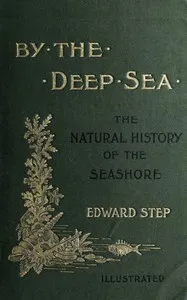
By the deep sea : $b a popular introduction to the wild life of the British shores
by Edward Step
- Language
- EN
- Format
- EPUB
- Size
- 20 MB
Description
"By the Deep Sea" by Edward Step is a popular natural history guide written in the late 19th century. It introduces general readers to the wildlife of the British seashore, combining accessible explanations of marine creatures with hands-on advice for observing, collecting, and even keeping a small marine aquarium.
The opening of this guide sets out the sea’s central role in Earth’s life and commerce, then states the book’s aim: to be a practical companion for untrained seaside visitors. It explains shore zoning (littoral and laminarian), how to use tide tables and lunar phases, where to look on rocky, sandy, and shingle coasts, and what simple gear and clothing to use, from jars and putty knives to fine and coarse nets. Step suggests how to bale or pump pools, which rock faces to search, and how to collect or transport specimens (notably anemones) and start a modest home aquarium. He then introduces “low life” seen with a microscope—Foraminifera and Polycistina, and the phosphorescent Noctiluca—and shows how to skim surface plankton with a tow-net. Next come sponges (their pores, oscula, spicules, feeding currents, reproduction) with common shore species and the debated boring sponge; followed by hydroid “corallines” and their colonies, reproductive buds that become medusae, and the higher marine polyzoa like Flustra and Bugula. A clear, demystifying section on jellyfishes covers stinging myths, the polyp-to-medusa story culminating in Aurelia, notable forms (Cyanea, Sarsia, Æquorea), visitors such as Physalia and Velella, and the gem-like sea gooseberry. The section then turns to sea-anemones, recommending Cornwall’s clear rocky pools and beginning with the beadlet’s colors, tentacles, and disk as a type for the group. (This is an automatically generated summary.)
The opening of this guide sets out the sea’s central role in Earth’s life and commerce, then states the book’s aim: to be a practical companion for untrained seaside visitors. It explains shore zoning (littoral and laminarian), how to use tide tables and lunar phases, where to look on rocky, sandy, and shingle coasts, and what simple gear and clothing to use, from jars and putty knives to fine and coarse nets. Step suggests how to bale or pump pools, which rock faces to search, and how to collect or transport specimens (notably anemones) and start a modest home aquarium. He then introduces “low life” seen with a microscope—Foraminifera and Polycistina, and the phosphorescent Noctiluca—and shows how to skim surface plankton with a tow-net. Next come sponges (their pores, oscula, spicules, feeding currents, reproduction) with common shore species and the debated boring sponge; followed by hydroid “corallines” and their colonies, reproductive buds that become medusae, and the higher marine polyzoa like Flustra and Bugula. A clear, demystifying section on jellyfishes covers stinging myths, the polyp-to-medusa story culminating in Aurelia, notable forms (Cyanea, Sarsia, Æquorea), visitors such as Physalia and Velella, and the gem-like sea gooseberry. The section then turns to sea-anemones, recommending Cornwall’s clear rocky pools and beginning with the beadlet’s colors, tentacles, and disk as a type for the group. (This is an automatically generated summary.)
FAQ
Is "By the deep sea : $b a popular introduction to the wild life of the British shores" free to download?
Yes, it is free to download — no sign up needed.
What format is the file?
EPUB.
More by Edward Step



Reader reviews Be the first
No reviews yet. Be the first to review this book.
Write a review
Protected by reCAPTCHA.